

The global industrial sector is witnessing a seismic shift toward specialized conveyor systems designed for extreme environments. Stainless steel conveyor belts, like Bifa’s FDA-approved PU/PVC models, now dominate food processing, pharmaceuticals, and chemical industries. These systems feature:
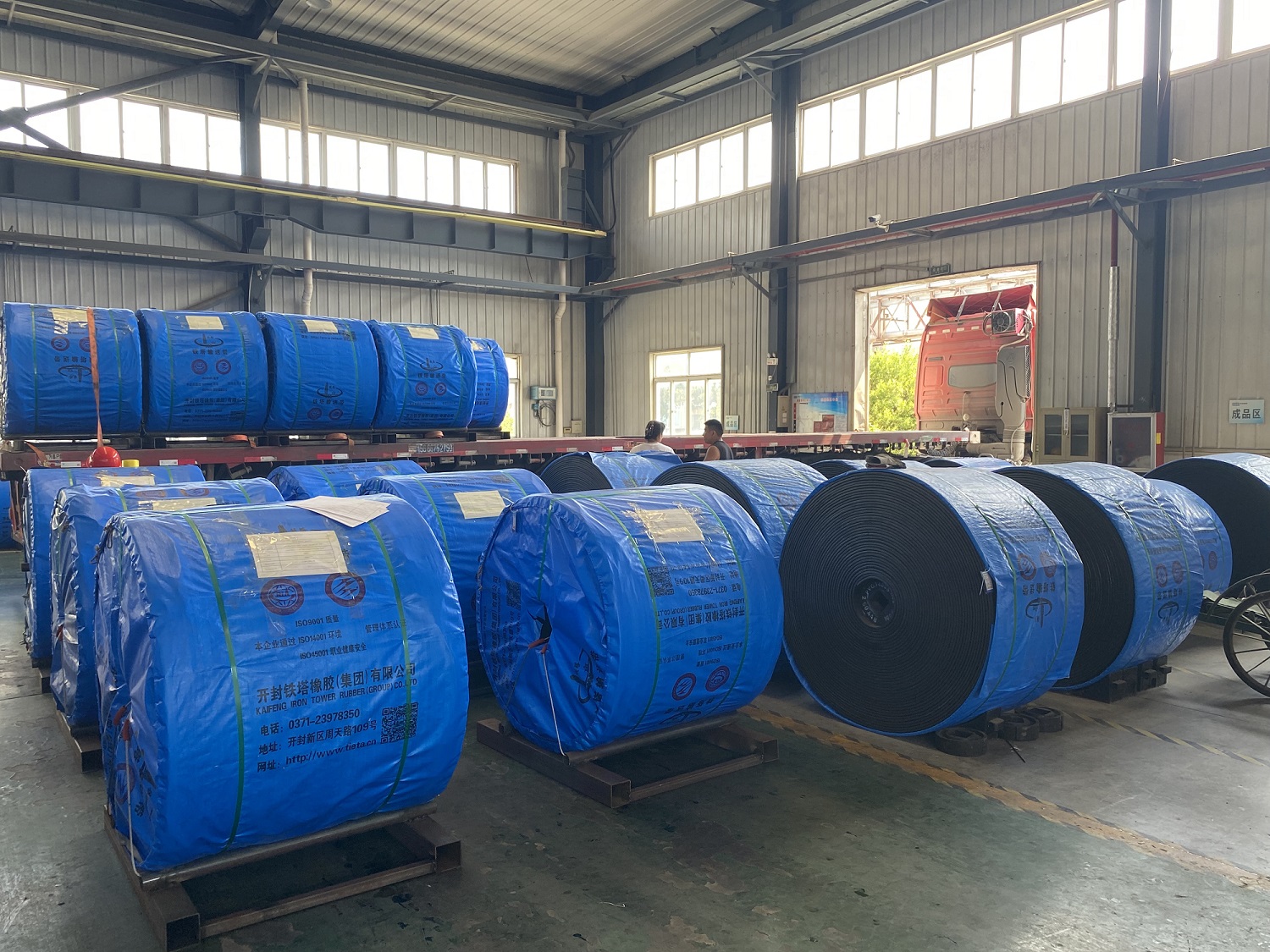
1.Corrosion-resistant 304 stainless steel frames and heat/oil/fire-resistant belts (operating from -20°C to 120°C).
2.Customizable designs for horizontal, inclined (0°–20°), or vertical transport, with capacities reaching 1,284 t/h.
3.Fire safety integration: Fire-resistant belts with anti-static properties and flame-retardant materials critical for coal mines and power plants.
Global Demand Surges: Key Markets and Innovations
Asia-Pacific leads conveyor adoption, with Vietnam, Japan, and South Korea emerging as top importers—Vietnam alone recorded 260 shipments in 2024 (YoY growth: 183%)Driving this demand:
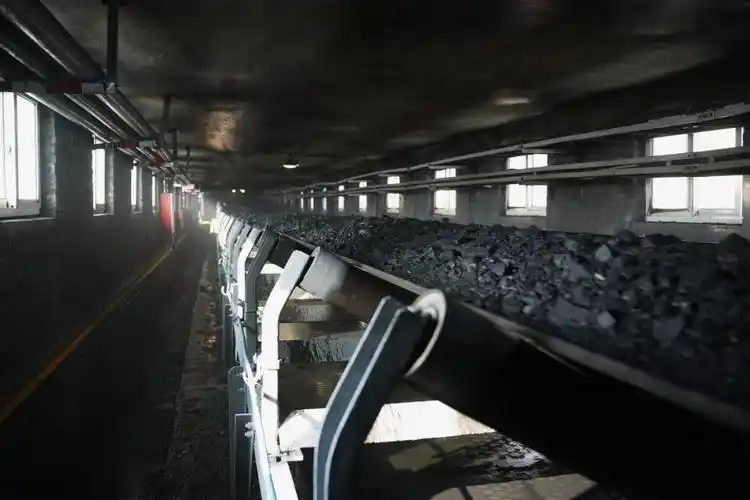
1.Heavy-Duty Applications: Steel-cord belts (e.g., ST2500) handle 2,500 kg/m³ loads in mining and ports, leveraging high tensile strength and low stretch.
2.Smart Automation: Systems like Leadworld’s 6M conveyors integrate emergency stops, sensors, and PLC controls for accident prevention.
3.Eco-Efficiency: Energy-saving motors (Germany/Japan-made) reduce operational costs by 30% while meeting ISO9001:2015 standards.
Custom Engineering: Tailored Solutions for Every Industry
Suppliers now prioritize application-specific designs. For instance:
1.Wharf Belt Conveyors use non-slip, trough-shaped belts to transport bulk materials like coal and grain at ports, with capacities up to 1,284 t/h.
2.DT75 Fixed Conveyors deploy modular frames for mining, supporting multi-point loading/unloading and convex/concave terrains.
3.Mobile lifting conveyors (e.g., Yue Junjian’s model) handle 100 kg loads of powders or granules, enabling flexible loading/unloading in warehouses.
Future Outlook: Sustainability and Automation
With 84% YoY growth in conveyor imports, the market pivots toward green manufacturing and AI-driven systems. Innovations include:
1.Recyclable PU belts and solar-powered conveyors reducing carbon footprints.
2.Predictive maintenance via IoT sensors to cut downtime by 50%.
